Take Care of your Tyres

Proper tire care and safety is simple and easy. The rubber manufactures Association (RMA) recommends getting in the habit of taking five minutes every month to check you tires, consult a tire dealer as soon possible.

PRESSURE

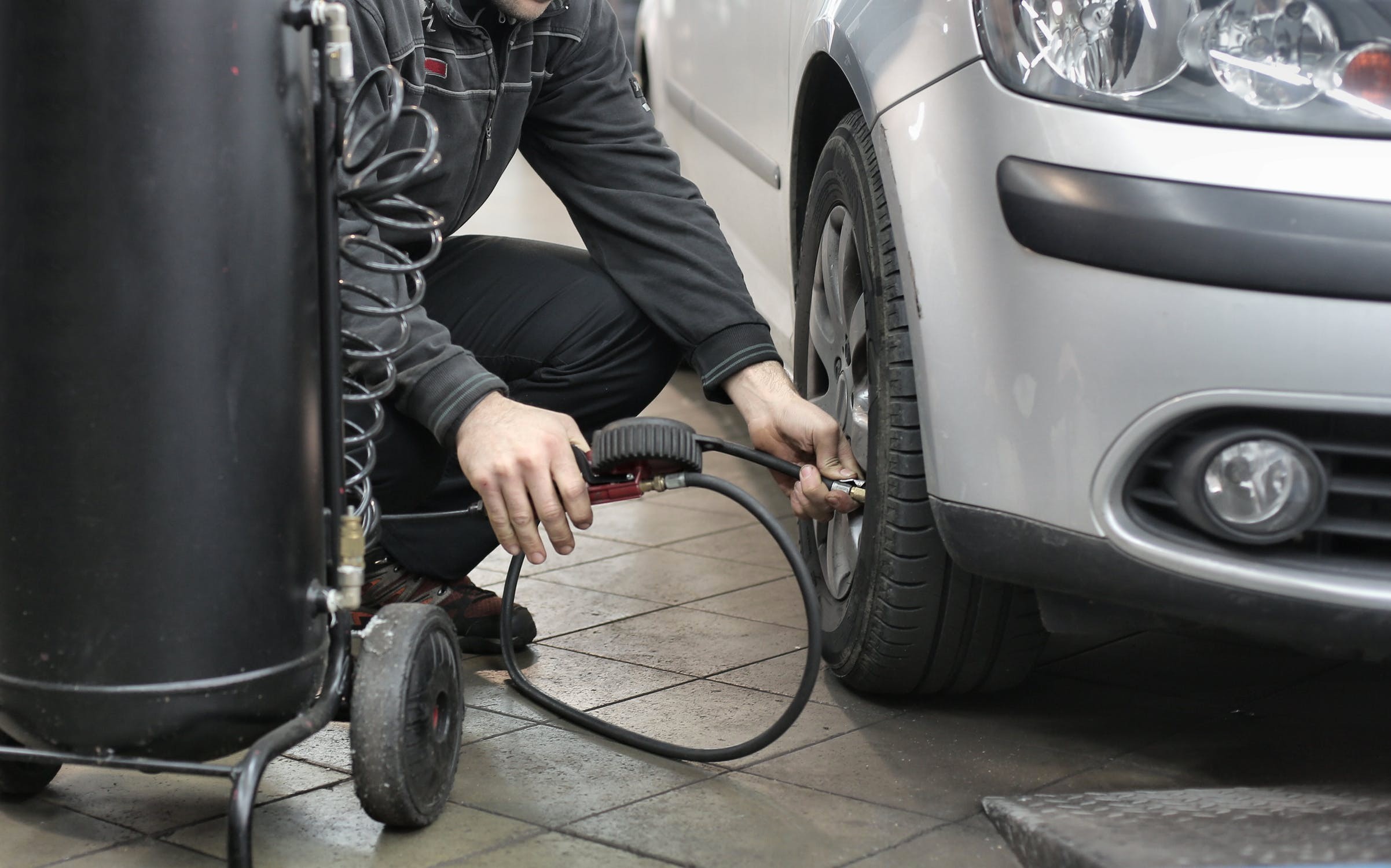
Under inflation can lead to tire failure. It results in unnecessary tire stress, irregular wear, loss of control and accidents. A tire can lose up to half of its air pressure and not appear to be flat! Read More about Tire Pressure

ALIGNMENT

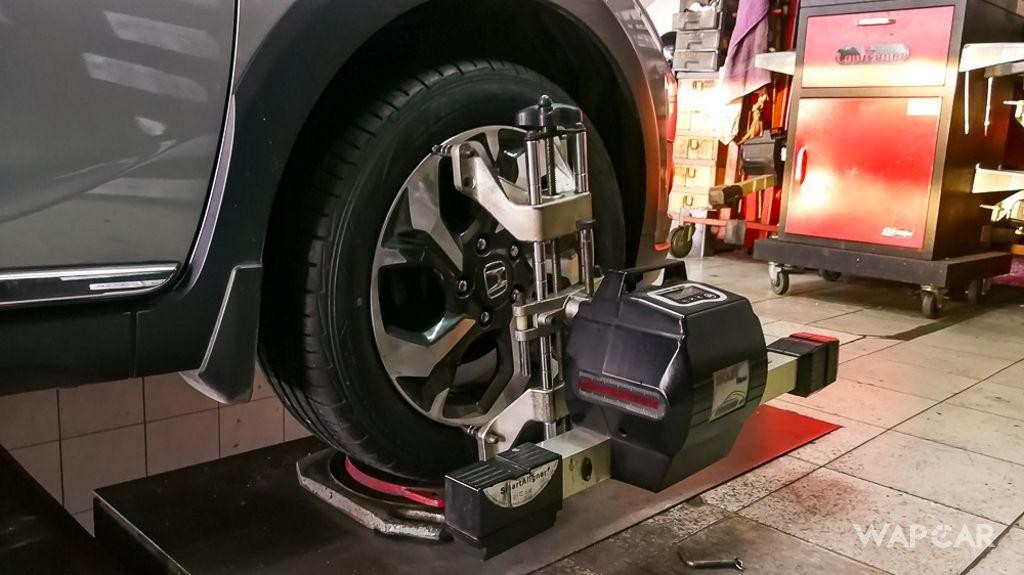
A bad jolt hitting a curb or pothole can throw your front end out of alignment and damage your tries. Have a tire dealer check the alignment and damage your tires. Have a tire dealer check the alignment periodically to ensure that your car is properly aligned. Read More about Tire Alignment

ROTATION

Regularly rotating your vehicle’s tries will help you achieve more uniform wear. Unless your vehicle owner’s manual has a specific recommendation, the guidelines for tire rotation are approximately every 6000 – 8000 miles. Read More about Tire Rotation

TREAD

Advanced and usual wear can reduce the ability of tread to grip the road in adverse conditions. Visually check your tires for uneven wear, looking for high and low areas or usually smooth areas. Also check for signs of damage. Read More about Tire Treads

OTHER IMPORTANT INFORMATION TO CARE FOR YOUR TIRES

Practice good driving habits, which will help keep your tries in good condition.

  1. Obey posted speed limits.
  2. Avoid fast starts, stops and turns.
  3. Avoid potholes and other objects on the road.
  4. Do not run over curbs or hit your tires against the curb when parking.
  5. Do not overload your vehicle. Check your vehicle’s tire information in the owner’s manual for the maximum recommended load for your vehicle.
    Fitting and BalancingAt Al Fatah Tyres we believe in providing our customers with a smooth tyre buying experience, please see below for more information about Fitting & Balancing your tyres.

    • How much does the Fitting and Balancing cost?

    Your tyre purchase with Al Fatah tyres includes fitting and balancing. You will not pay any additional fees to the fitment centre, so you can sit back, relax and trust that everything is taken care of.

    If you choose not to use the Tyresales fitment network you will receive a discount on your tyre purchase – the amount depends on the size of your tyres, and will be deducted at the Checkout.

    • Do you have many Fitment Centres?

    Al Fatah tyres has a large network of fitment centres Australia-wide, with over 1,750 locations to choose from, and we increase that number every month. We work with the fitment centres to ensure your tyre buying experience is easy and hassle-free.

    • How do I book my Fitment appointment?

    During checkout you will select your Fitment Centre and your preferred fitment appointment. This appointment is not confirmed, however it is noted as your preferred timeslot.

    The Fitment Centre will contact you when your tyres are delivered and confirm your fitment appointment at that moment.

    • How will my tyres get to the fitment centre?

    Once your order is processed and confirmed, Al Fatah tyres will organise delivery to your chosen fitment centre. If you choose not to use the Tyresales fitment network we will send the tyres to your specified delivery address.

    Visit our Delivery Information page for details.

    • What is a wheel/tyre balance?

    wheel balance ensures that the wheel and tyre weight is evenly distributed on your vehicle. If this is not done correctly your car may vibrate at higher speeds (80km and above), and will also cause uneven wear on your tyres.

    • What is a Wheel Alignment?

    wheel alignment ensures that the tyres on your vehicle are exactly perpendicular to the surface – that the steering points in a perfectly straight line. A Wheel Alignment is a different service to a wheel balance, and is performed using special equipment and technology.

    At Tyresales, we highly recommend purchasing a 4 Wheel Alignment at the same time as purchasing your new tyres.

If properly cared for, tires can last a long time usually from 40000 to 80000 miles, depending on the application.

Share:

Facebook
Twitter
Pinterest
LinkedIn

Leave a Reply

Your email address will not be published. Required fields are marked *

Table of Contents

On Key

Related Posts

Tyres in UAE

How to Choose the Right Tyres: SUV, Sedan, Truck, Pickup & Bus Tyres Explained

Choosing the right tyre depends on your vehicle type, driving habits, and UAE weather conditions. This guide explains the best tyres for sedans, SUVs, trucks, pickups, and buses, with expert tips from AL FATAH TYRES Abu Dhabi. Q1: How do I choose the right tyres for my vehicle in Abu Dhabi? To choose the right tyres, match your tyre size, load rating, speed rating, and driving conditions. Sedans need comfort and low-noise tyres, SUVs need stronger construction, and heavy vehicles require high load-index tyres. Q2: What tyres are best for sedans? Sedan tyres should offer low noise, strong wet grip, and good fuel efficiency for daily city driving in the UAE. Key Features: Recommended Brands:Michelin, Continental, Bridgestone, Dunlop, Yokohama, Kumho, Nexen. Q3: How do I choose the right tyres for SUVs in Abu Dhabi? SUV tyres must handle more weight, heat, and mixed terrain. Types of SUV Tyres: Popular Brands:BF Goodrich, Michelin, Bridgestone, Goodyear, Pirelli. Q4: What tyres are suitable for trucks in UAE? Truck tyres require high load capacity, steel-belt construction, and heat resistance. Key Features: Types: Steer tyres, Drive tyres, Trailer tyres. Q5: Which tyres are best for pickups? Pickup tyres depend on whether you drive in the city, off-road, construction areas, or tow heavy loads. Best Choices: Recommended: Bridgestone Dueler, BF Goodrich AT, Goodyear Wrangler, Pirelli Scorpion. Q6: What tyres should buses use in the UAE? Bus tyres must handle heavy loads daily with maximum safety. Key Features: Q7: How does UAE heat affect tyres? Tyres in Abu Dhabi face extreme heat, requiring stronger materials and heat-resistant compounds. Look for: Q8: Where to get tyre repair, Road Force balancing & tyre checks? AL FATAH TYRES offers full tyre services including Road Force balancing, inside puncture repair, tyre condition check, runflat repair, and EV tyre solutions. Services: Q9: Is it safe to buy tyres online in Abu Dhabi? Yes — as long as you buy from an authorized shop that provides genuine tyres with warranty and professional installation. Need help choosing tyres? Share your car model + tyre size and AL FATAH TYRES will recommend:

We do the Tire Pressure Sensor Replacement and Reprograming

TPMS LIGHT ON? WHAT IT MEANS & WHAT YOU NEED TO DO The purpose of the TPMS (Tire Pressure Monitoring System) is to alert you when tire pressure is too low and could create unsafe driving conditions. If the light is illuminated, it means your tires could be underinflated, which can lead to undue tire wear and possible tire failure. It’s important to understand the importance of proper tire inflation, and how TPMS can help you avoid a dangerous situation.Both overinflation and underinflation can cause premature treadwear and possible tire failure. Overinflation can result in decreased traction, premature wear, and the inability to absorb road impact. Overinflated tires will show premature wear in the center of the tread. On the other hand, underinflation will cause sluggish tire response, decreased fuel economy, excessive heat buildup, and tire overload. An underinflated tire will show premature wear on both sides of the tread edges or “shoulders”. If you’re learning about tire pressure sensors for the first time, finding the TPMS indicator on your dashboard is simple. It’s a horseshoe-shaped light with an exclamation point in the center. WHAT DOES A TPMS WARNING LIGHT MEAN? Do you know what to do when the low tire pressure TPMS symbol illuminates? The first thing to do is manually check your tire pressures with a gauge and add air until the pressures reach the vehicle manufacturer specification. (You’ll find the correct pressure on the driver’s door jamb or in the owner’s manual, not on the sidewall of the tire- that’s the tire’s maximum pressure.) Keep in mind, your TPMS does not replace routine tire pressure maintenance. It’s a tool that can help alert you when pressure is low, but a tire may drop below proper inflation long before the TPMS warning light comes on. The TPMS light comes on when the tire pressure gets too low or too high. TPMS LIGHT ILLUMINATES WHILE DRIVING When the TPMS light comes on – and stays on – at least one of your tires is at a low pressure level. Check the pressure of all of the tires with a gauge and determine the cause of pressure loss and add air or service the tire(s) as appropriate. TPMS LIGHT GOES ON AND OFF When tire pressure(s) are near the level that triggers an alert, fluctuating temperatures may be causing your TPMS light to turn on and off. This typically occurs when pressure decreases over night due to a drop in ambient temperature that causes the light to turn on; the light may turn off when pressure increases during the day due to rising ambient temperature and/or heat generated from the driving the vehicle. Use a gauge to check the pressure of all of the tires and add air to any tire that is low TPMS LIGHT FLASHES AND THEN STAYS ON If the light flashes for approximately 60 to 90 seconds every time you start your car and then remains illuminated, this means the TPMS isn’t functioning properly and you should take it to an automotive service center for an inspection. Until repaired, the TPMS is out of order and is not able to warn you of low tire pressure. Check the air pressure of all of the tires with a gauge and add air to the tires that need it. DOES A TPMS REPLACE REGULAR TIRE PRESSURE CHECKS? No! Understanding what a TPMS warning light means and what to do when it lights up is an important part of a driver’s responsibility. But it shouldn’t be a replacement for regular tire pressure checks. Why? Depending on the situation, the TPMS may have limitations such as: • The TPMS warning light may be set to illuminate below the tire pressure needed to carry the load in the vehicle.• The sensor(s) may not be accurately transmitting tire pressure data to the on-board computer.• The system may not be able to accurately determine if a tire is too low if other tires are losing pressure at the same rate. Therefore, even with TPMS, you should check tire pressure once a month, and before a long trip or when carrying extra load or damaged tire pressure Sensor

Al Fatah Tyres

What is Nitrogen Filling?

WHAT IS NITROGEN? Nitrogen is a dry, inert gas used to inflate airplane tires, off-road truck tires, military vehicle tires, and race car tires for improved performance, more tire mileage and better fuel economy. WHY USE NITROGEN?   Less inflation pressure loss   Reduced wheel corrosion   Prevents inner-liner rubber deterioration by oxidation   tires run cooler   Increases tread life   Increases fuel mileage   Helps prevent uneven wear Oxygen in compressed air permeates through the wall of the tire, thus reducing the tire’s inflation pressure. During it’s journey through the tire wall, oxygen oxidizes the rubber compounds in the tire, causing under-inflation and deterioration of the rubber . Dry nitrogen will maintain proper inflation pressure and will prevent auto-ignition, will not corrode rims, extends valve core life, and will help the tire to run cooler. The biggest advantages – improved tire life Experts in the tire industry indicate that oxidative aging is one of the primary causes of decreased tire life. Oxidative aging is caused by the diffusion of oxygen from the pressurized air cavity of the tire to the outside atmosphere. Tests have shown that if tires are inflated with nitrogen, there is a significant reduction in tire failure. WHY DID RACE CARS, MILITARY AND OFF-ROAD VEHICLES SWITCH TO NITROGEN? Air is about 1/5 Oxygen, and oxygen, especially at high pressures and temperatures, is a very reactive element.When oxygen reacts with things, the process is called oxidation. When oxidation is extremely rapid, it’s called “burning.That’s one reason nitrogen is used in off-highway and aircraft tires. These tires run so hot they can actually catch on fire. Nitrogen doesn’t support combustion, so nitrogen-filled tires don’t add fuel to the flames. And nitrogen helps prevent slower forms of oxidation also. NITROGEN PREVENTS OTHER TYPES OF CORROSION AS WELL Oxygen and moisture corrodes aluminum and steel wheels. Oxygen also reacts with rubber, another type of “corrosion”. When this corrosion starts, the small particles break off and form rust and dust, which can clog vavle cores, causing them to leak. The rough surfaces created from the corrosive action on the wheels leads to tire beads that don’t seal properly, causing additional leaks .Oxygen also ages the inner liner, the thin layer of rubber inside the tire whose function is to keep air away from the carcass. As the inner liner ages, more and more air molecules can pass through it, causing more pressure losses. These pressure losses in a truck tire can average 2 psi a month as a result of the air passing through the sidewalls. As it passes through the rubber, the oxygen can also corrode the steel cords, causing them to rust too. HOW DOES NITROGEN HELP? While both nitrogen and oxygen can permeate rubber, nitrogen does it much more slowly. It might take 6 months to lose 2 psi with nitrogen, compared to just a month with air. And nitrogen is far less reactive. It doesn’t cause rust or corrosion on steel or aluminum, and it doesn’t degrade rubber. Wheel surfaces stay smooth and clean, rubber remains supple and resilient. Nitrogen also will not degrade the rubber seal in the valve core which extends valve core life and helps prevents core leaks. Small bits of dust and debris as a byproduct of oxidative corrosion to the wheels and alloy rims can lodge in the valve core seat, causing air leaks. ANY OTHER REASONS FOR USING NITROGEN? Water!! The air around us is full of water vapor. Compressing air concentrates the water in it. Draining the water from your compressor tank daily helps, but unless you have a really efficient air dryer system, chances are that there’s a lot of water in your compressed air. When you compress air, it takes up much less volume, but the percentage of water byvolume is greatly increased. …AND WHAT HARM DOES THIS MOISTURE CAUSE? Water vapor in compressed air acts as a catalyst, accelerating rust and corrosion.  Water vapor also absorbs and holds heat. And when it changes from liquid to vapor, water expands tremendously in volume.As a result, tires inflated with wet air tend to run hotter and fluctuate in pressure more. That’s one of the reasons why racing tires, where fractions of a psi can radically change the handling characteristics, are inflated with dry nitrogen. WILL MY TIRES HAVE 100% NITROGEN AFTER THEY ARE FILLED? In reality, no. The Ingersoll-Rand Nitrogen Generator puts out 98% pure Nitrogen. On an uninflated tire, there is still some air present, so after you refill with nitrogen, you’ll end up with about 95% nitrogen, which is enough to do the job. That can be increased slightly by filling up the tire with nitrogen without a valve core in the valve stem, and then letting the tire delate. Then install the valve core and refill to normal pressure with the nitrogen. (purging) For fleets – reduced operating costs Tires are one of the primary costs of operating a fleet of vehicles. Tire costs include procurement, maintenance and the cost of blowouts.A typical truck tire with two retreads costs $480.00 and lastsapproximately 270,000 miles. Inflating tires with nitrogen will help to prevent premature casing failure and allow tires to be retreadmultiple times, with confidence and reliability. Inflating tires with nitrogen to eliminate oxidative aging can extend tire life by up to 25%. Increasing tire life to 337,500 miles would save $120 per tire. A fleet with 50 trucks and 900 wheel positions would save over $100,000 in tire cost by inflating with nitrogen. The primary cost of maintaining tires is the cost of labor to check tire pressures and top off tires with compressed air on a periodic basis. Tire pressure must be checked and the tires topped off due to the diffusion of air through the tire. tires filled with nitrogen will not experience this diffusion and resulting loss of pressure. tires filled with nitrogen maintain pressure for a much longer period of time than tires filled with air. If a truck fleet conducts preventative maintenance on 5 trucks per day and presently spends 30

Al Fatah Tyres

All you need to know about steel wheels

Steel rims and wheels Rims are the primary components of automobile wheels. Drivers prefer steel-made vehicles for a variety of reasons, the most important of which being cost. Due to steel’s poor plasticity, most steel varieties appear to be extremely identical. This feature limits wheel designers’ creativity, as it does with alternative alloy wheels. A disc and a rim are the two major components of a wheel. We independently press both the disc and the rim from two pieces of metal for steel models, then calibrated and welded together! What distinguishes steel wheels from other types of wheels? We characterize steel wheels by their low cost and long lifespan. Compared to a set of alloy wheels, a set of original wheels of this sort might be several times less expensive. We associate the cost of regenerating damaged steel wheels with decreased driving costs. This type also has a higher resistance to both static and dynamic stresses. Steel wheels will perform well in the winter because of their resistance to road salt. Basic specifications of steel wheels and rims When choosing steel wheels, there are a few key factors to consider that will ensure that the model fits our vehicle well. The diameter and width are in inches, with 1 inch equaling 2.54 centimeters. The bolt spacing is also crucial, as each car has its own set of dimensions. Another key component to consider is the offset (ET, offset). It establishes the distance between the rim’s mounting plane and its vertical symmetry center. When the mounting plane is exactly on the vertical axis of symmetry, this distance can be negative, positive, or zero. The centering aperture allows the rim to center perfectly on the car hub. The diameter is in millimeters. Which steel rims should you go with? Steel wheels that are well fitting will contribute to the safety and comfort of everyday travel. In our store, you’ll find a variety of models from various brands. We are confident that every driver will select the steel wheels in terms of size. With such a broad assortment, you’ll be able to find the right fit for your vehicle.